

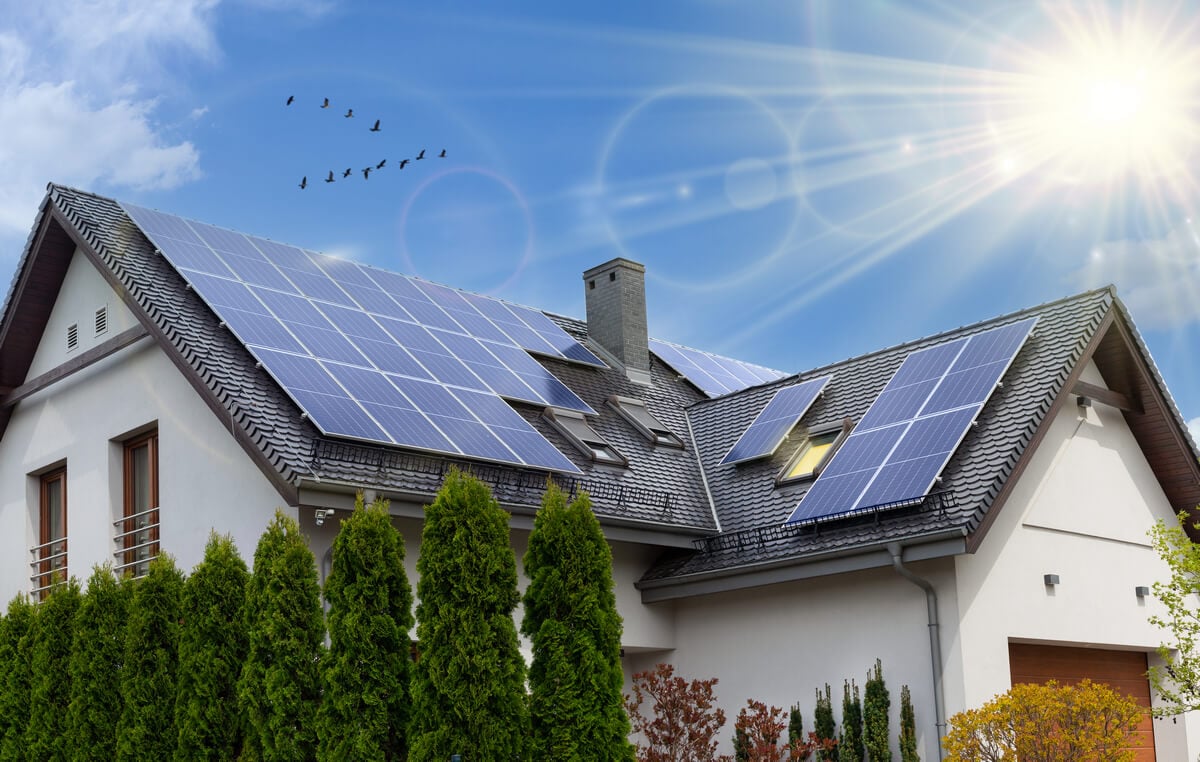
For many homeowners, installing solar panels is not only a step toward reducing utility bills but also a long-term investment in sustainability and property value. However, like any significant purchase, understanding the warranty that comes with the system is essential to protecting that investment. Solar panels are designed to last for decades; however, factors such as weather, manufacturing defects, and installation issues can impact their performance over time. A comprehensive warranty provides reassurance that if problems arise, they will be addressed without unexpected costs. Unfortunately, many homeowners overlook the fine print or assume all warranties are the same, only to discover later that coverage does not meet their expectations. Taking the time to understand the details ensures that solar panels deliver on their promise of reliable energy production for years to come. Warranties are more than just paperwork—they are a safety net that protects both financial stability and energy security.
Protecting your renewable energy investment
- Performance guarantees and energy output
One of the most critical aspects of a solar panel warranty is the performance guarantee. Solar panels naturally degrade over time, meaning they produce slightly less electricity each year as they age. A performance warranty sets clear expectations for the amount of energy the panels will generate over 10, 20, or even 25 years. For example, many manufacturers guarantee that panels will still operate at 80–85% of their original capacity after 25 years. This guarantee is essential because it assures homeowners that their system will continue to deliver meaningful savings for years to come. If production falls below the stated threshold, the manufacturer is typically responsible for repair, replacement, or compensation. Companies such as North Valley Solar Power, near Sacramento, often educate homeowners on these guarantees, ensuring they understand the level of performance they can expect over the long term. Without a solid performance warranty, homeowners risk losing efficiency and savings without clear recourse for support.
- Product warranties and physical protection
While performance coverage ensures long-term efficiency, product warranties focus on protecting against defects in materials or artistry. These warranties typically cover physical issues, such as broken glass, faulty wiring, or problems resulting from manufacturing errors. Typical product warranties last between 10 and 15 years, though some extend to 25 years depending on the manufacturer. This protection is crucial because even a minor defect can reduce output, compromise safety, or require costly repairs. Unlike performance warranties, which guarantee energy production, product warranties ensure the panels themselves are structurally sound and built to endure. Many also include coverage for the labor required to replace defective parts, though this varies. Without such protection, homeowners could face unexpected expenses that undermine the value of their solar investment. Product warranties provide peace of mind that the panels are not only efficient but also durable and safe under normal operating conditions, which is vital for long-term reliability.
- Inverter and component coverage
While much attention is given to the panels themselves, inverters and other system components also require protection. Inverters are crucial to solar systems because they convert the direct current generated by solar panels into the alternating current used by homes. Since inverters typically have shorter lifespans than panels, warranties for these components are generally shorter, ranging from 5 to 15 years depending on the model. Some manufacturers offer extended warranties for inverters to match the lifespan of the panels. Other components, such as mounting hardware and monitoring equipment, may have their own coverage terms. Understanding the details of these warranties helps homeowners plan for potential replacements or repairs over time. Comprehensive protection ensures that the entire system—not just the panels—is supported for long-term use. Homeowners should carefully review all component warranties to confirm that coverage is adequate and aligns with the expected performance of the entire installation.
- Transferability and service support
Another important factor in solar warranties is whether they are transferable to new homeowners if the property is sold. Transferable warranties can increase the resale value of a home, as buyers gain confidence knowing the system remains protected even after the ownership changes. Some manufacturers and installers allow complete transferability at no cost, while others may charge a fee or require registration. Service support is equally essential, as warranties are only as valuable as the company backing them. Reputable manufacturers and installers typically have responsive customer service teams to guide homeowners through the claims and repair process. Without reliable support, even strong warranties can become difficult to enforce. Homeowners should confirm not only the terms of coverage but also the track record of the companies providing it. Transferability and service support ensure that warranties function as practical tools rather than just legal documents, adding to the overall security of the investment.
Solar panel warranties are a vital component in protecting the long-term value and performance of any solar installation. Performance guarantees ensure that panels produce energy reliably over the course of decades, while product warranties safeguard against physical defects and failures. Inverter and component coverage provide additional protection, ensuring that all parts of the system are supported. Transferability and strong service support further enhance the value of these warranties, offering reassurance to both current and future homeowners. Understanding each type of warranty allows property owners to make informed decisions and avoid unpleasant surprises. With the right coverage, solar panels become a dependable source of clean energy and financial savings. Warranties transform a solar installation from a promising investment into a secure one, ensuring that households enjoy reliable performance for years to come. For homeowners, knowing the details of coverage is not optional—it is essential to maximizing the benefits of going solar.


